Sight Seen
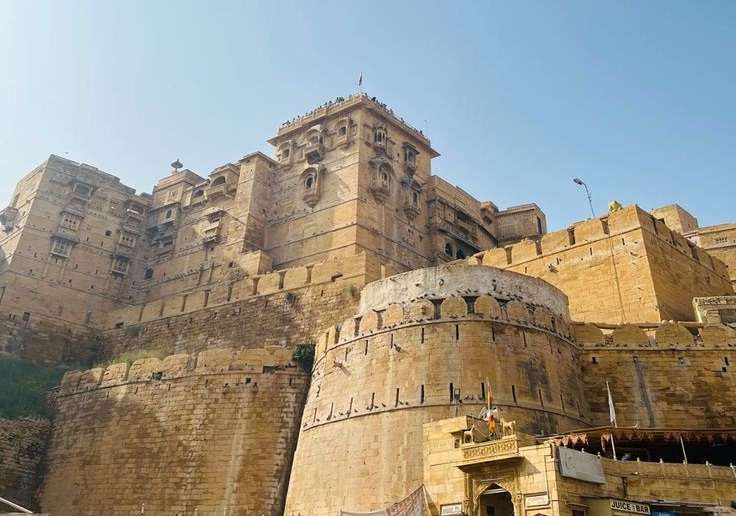
Jaisalmer Fort – The Golden Pride of Rajasthan
Rising majestically from the heart of the Thar Desert, Jaisalmer Fort, also known as Sonar Qila (The Golden Fort), is one of the largest and most breathtaking forts in the world. Built in 1156 AD by Rawal Jaisal, the founder of Jaisalmer, this fort is a living marvel of Rajput architecture and golden sandstone craftsmanship.
Perched on Trikuta Hill, the fort glows in shades of gold under the desert sun, earning Jaisalmer the name “The Golden City.” Unlike most forts, Jaisalmer Fort is still inhabited, with thousands of people residing within its ancient walls. The fort houses beautiful palaces, temples, shops, cafes, and homes, creating a vibrant blend of history and daily life.
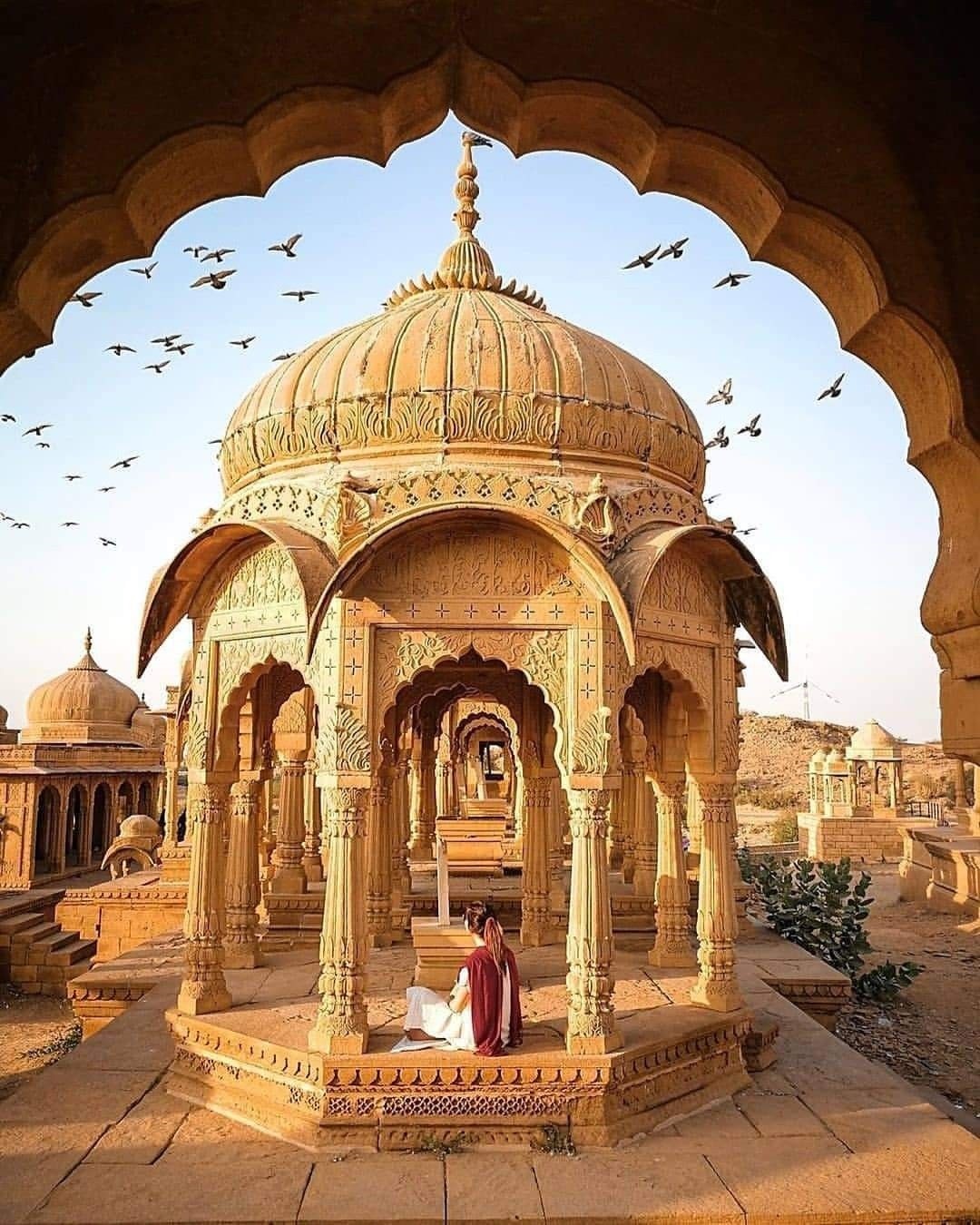
Bada Bagh – The Garden of Royal Cenotaphs
Located about 6 km north of Jaisalmer, Bada Bagh (meaning “Big Garden”) is a serene and historic site that beautifully captures the grandeur of Rajasthan’s royal past. Built in the 16th century by Maharaja Jai Singh II and completed by his descendants, Bada Bagh is famous for its stunning collection of cenotaphs (chhatris) — intricately carved sandstone memorials dedicated to the kings and noble families of Jaisalmer.
Set against the backdrop of the golden desert and windmills, the site offers a breathtaking view, especially during sunrise and sunset, when the chhatris glow in golden hues. Each cenotaph tells a story of the valor and legacy of the Bhati rulers, featuring delicate carvings, domed roofs, and pillars that reflect the architectural brilliance of the era.
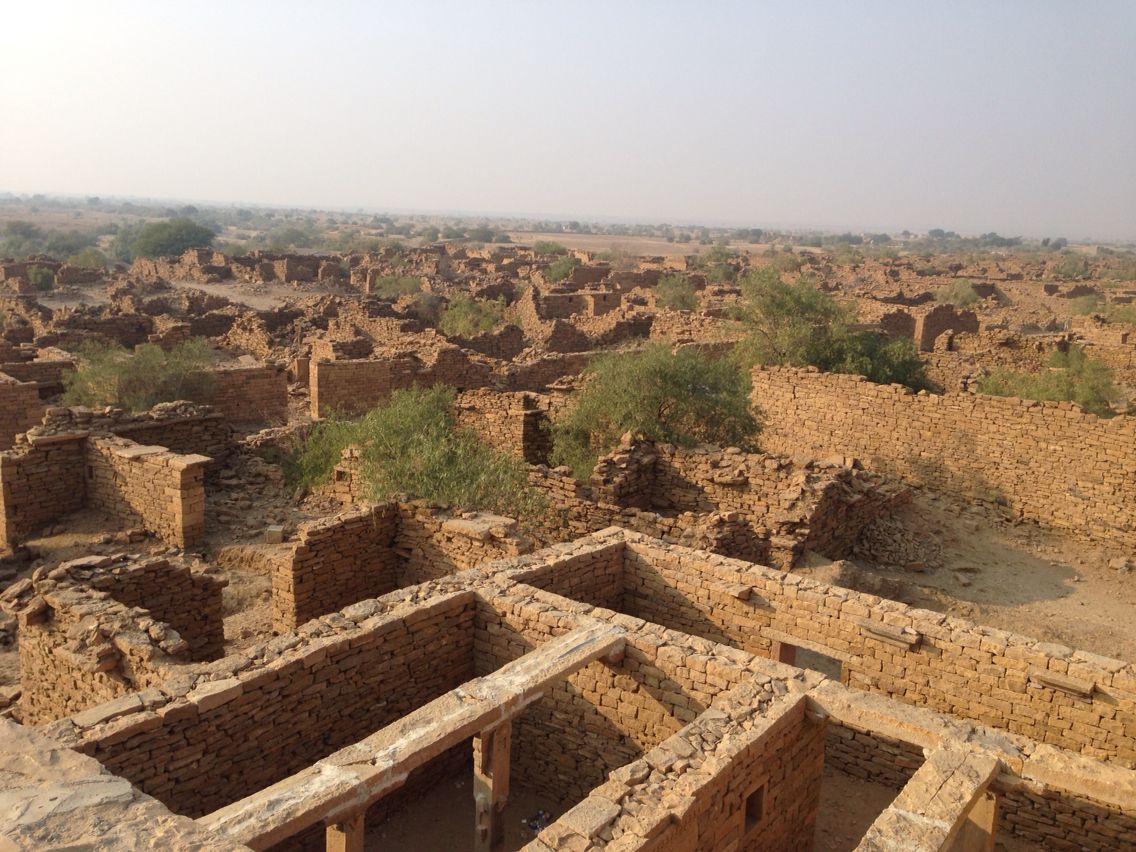
Kuldhara Village – The Mysterious Abandoned Village of Jaisalmer
About 18 km from Jaisalmer, lies Kuldhara Village, one of the most intriguing and mysterious places in Rajasthan. Once a prosperous village of Paliwal Brahmins, known for their intelligence and agricultural skills, Kuldhara was abandoned overnight around the 19th century, and no one knows exactly why.
According to legend, the villagers left Kuldhara to escape the unjust demands of Salim Singh, the powerful Diwan of Jaisalmer, who wanted to marry a local girl against her will. To protect their honor, the entire community disappeared overnight — cursing the village so that no one could ever live there again.
Today, Kuldhara stands as a ghost village, its ruined homes, temples, and streets silently telling tales of a once-thriving settlement. Surrounded by desert dunes and silence, it offers an eerie yet fascinating experience for visitors.
Patwa Haveli – The Jewel of Jaisalmer’s Havelis
Located in the heart of Jaisalmer city, near the famous Patwon ki Gali, the Patwa Haveli (or Patwon Ki Haveli) is one of the most magnificent and historically significant havelis in Rajasthan. Built between 1805 and 1860 by Guman Chand Patwa and his sons, this grand complex actually consists of five havelis, making it the largest and most elaborate haveli in Jaisalmer.
Crafted entirely from golden sandstone, Patwa Haveli is a masterpiece of Rajasthani architecture, with intricate jharokhas (balconies), delicately carved facades, beautiful archways, and mirror-decorated interiors. Each haveli reflects the wealth and artistic taste of the Patwa family, who were prosperous traders dealing in gold, silver, and fine textiles.
Inside, visitors can explore antique furniture, murals, paintings, and artifacts that showcase the grandeur of 19th-century desert life. One section of the haveli now serves as a museum, offering a glimpse into Jaisalmer’s royal and merchant heritage.
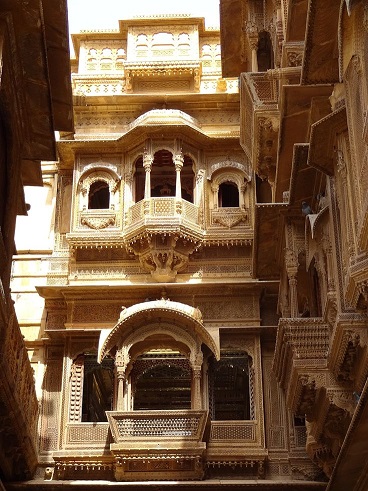
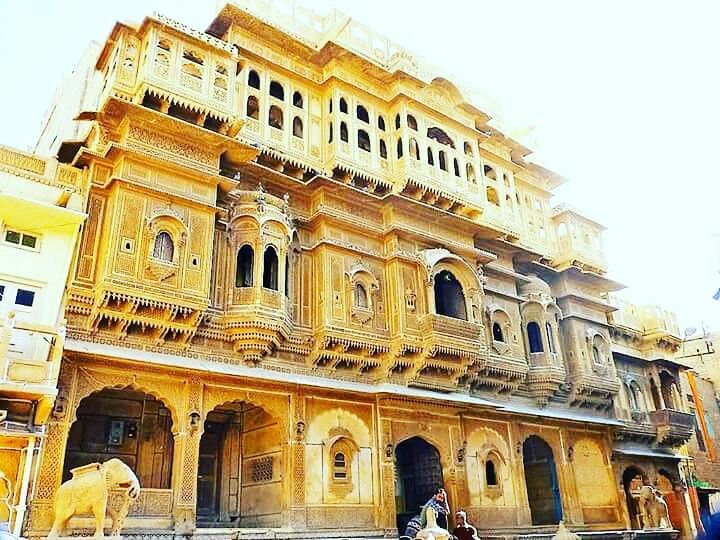
Nathmal Ki Haveli – The Artistic Wonder of Jaisalmer
Situated in the heart of the Golden City of Jaisalmer, Nathmal Ki Haveli is one of the most stunning examples of Rajput and Islamic architecture blended together. Built in the 19th century, it served as the residence of Diwan Mohata Nathmal, the then Prime Minister of Jaisalmer.
What makes this haveli truly unique is its perfectly imperfect symmetry — it was constructed by two architect brothers, Hathi and Lulu, who worked on opposite sides simultaneously. Without modern tools, they created two nearly identical halves of the building, featuring intricate carvings, elephants, flowers, birds, and geometric patterns — all hand-sculpted from golden sandstone.
The haveli’s facade glows in the desert sunlight, while the interiors are adorned with beautiful paintings, antique furniture, and miniature artwork. Even the walls depict objects like cars, fans, and steam engines — carved from the imagination of artisans who had never seen them in real life!
Salim Singh Ki Haveli – The Haveli with a Peacock Crown
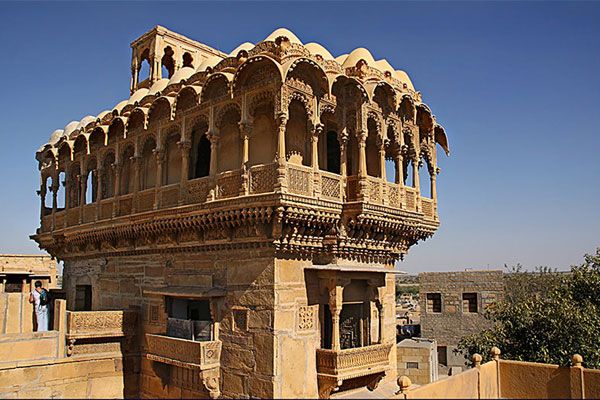
Located near the Jaisalmer Fort, Salim Singh Ki Haveli is one of the most striking and distinctive mansions in the Golden City. Built in the early 19th century by Salim Singh, the powerful Prime Minister of Jaisalmer, this haveli stands as a symbol of ambition, artistry, and architectural brilliance.
What makes this haveli unique is its extraordinary design — the upper floors are shaped like the plume of a peacock, giving it a truly royal appearance. The mansion features 38 beautifully carved balconies, each with its own unique design, and arched windows that overlook the golden streets of Jaisalmer.
Constructed from yellow sandstone, Salim Singh Ki Haveli combines Rajput and Mughal architectural styles, adorned with delicate carvings, blue glass windows, and intricate frescoes. The structure once extended up to the royal palace, but the top floors were later demolished by the ruling king due to Salim Singh’s rising power.
Today, this 300-year-old haveli stands as a masterpiece of creativity and legend, drawing visitors with its beauty, mystery, and stories of Jaisalmer’s royal past.
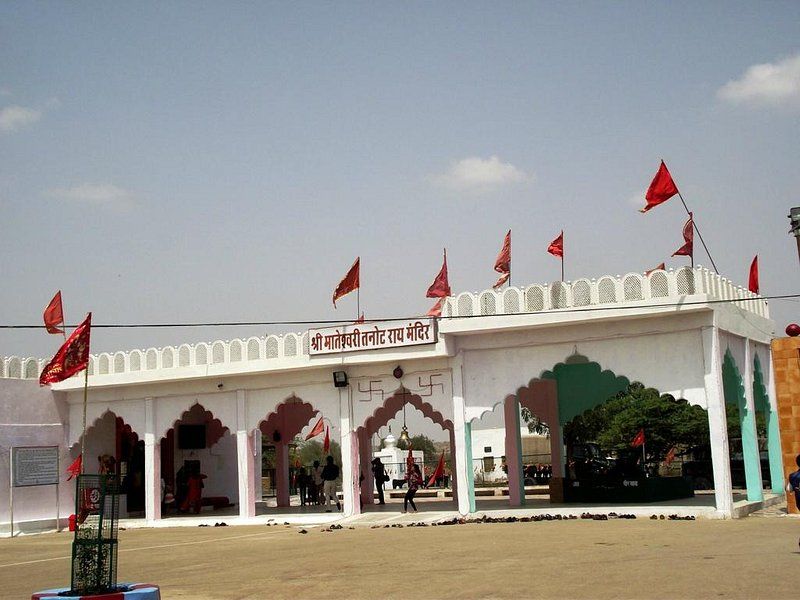
Tanot Mata Mandir – The Sacred Guardian of the Desert
Located about 120 km from Jaisalmer, near the India–Pakistan border, the Tanot Mata Mandir is one of Rajasthan’s most revered and miraculous temples. Dedicated to Goddess Tanot (an incarnation of Goddess Hinglaj), this temple stands as a symbol of faith, courage, and divine protection in the heart of the Thar Desert.
According to legend, Tanot Mata has been worshipped by locals for centuries as the protector of soldiers and villagers in this harsh desert region. The temple gained national fame during the Indo-Pak Wars of 1965 and 1971, when hundreds of bombs were dropped by enemy forces near the temple — yet none of them exploded, leaving the shrine completely unharmed.
After the war, the Border Security Force (BSF) took charge of the temple’s maintenance, and soldiers continue to worship the goddess before heading to the border. Inside, visitors can even see unexploded bombs displayed as proof of the temple’s miraculous history.